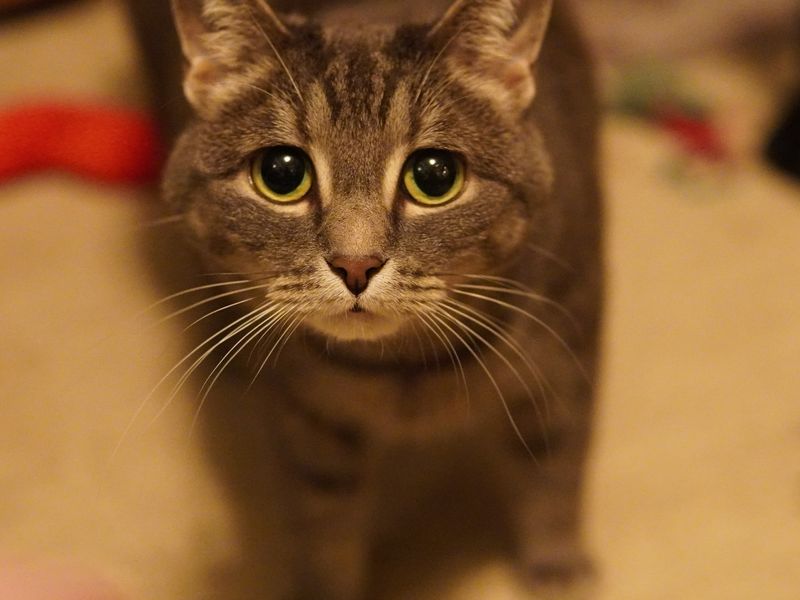
An entirely too-long document about felines, served through chunkproxy to demonstrate pages with more than 16 KiB of HTML and multiple subresources larger than the ISP per-connection cap can in fact reach a browser on a throttled path. Each <img> below is in the 80–300 KiB range, well past the single-connection ceiling.
A cat is a small, typically furry, carnivorous mammal. It is the only domesticated species in the family Felidae and is commonly referred to as the domestic cat to distinguish it from the wild members of the family. A cat can either be a house cat, a farm cat or a feral cat; the latter ranges freely and avoids human contact. Cats have been valued by humans for companionship and their ability to hunt rodents. About 60 cat breeds are recognized by various cat registries.
Lorem ipsum dolor sit amet, consectetur adipiscing elit. Praesent rutrum, augue id maximus malesuada, justo augue vehicula erat, vel commodo lorem est at risus. Cras et turpis vitae mi malesuada eleifend. Donec porta scelerisque urna, in cursus odio luctus a. Suspendisse potenti. Vivamus malesuada sapien purus, sed ullamcorper lacus consectetur sit amet. Aliquam erat volutpat. Nulla facilisi.
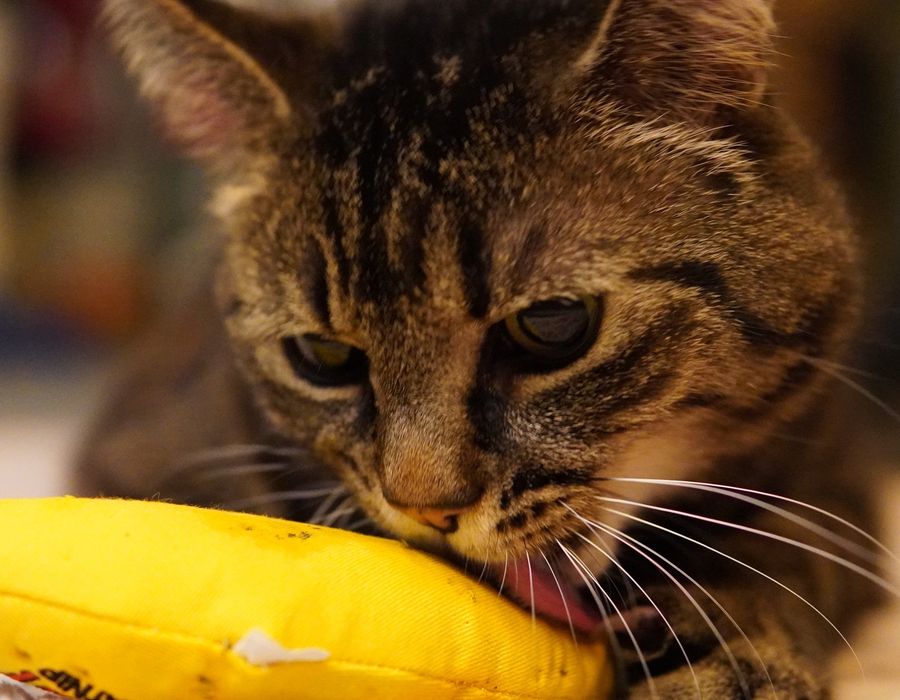
The cat is similar in anatomy to the other felid species: it has a strong flexible body, quick reflexes, sharp teeth, and retractable claws adapted to killing small prey. Its night vision and sense of smell are well developed. Cat communication includes vocalizations like meowing, purring, trilling, hissing, growling, and grunting as well as cat-specific body language. Although the cat is a social species, it is a solitary hunter. As a predator, it is crepuscular, i.e. most active at dawn and dusk.
Donec ut velit eu erat ultrices vehicula. Sed pretium, justo eget tincidunt facilisis, augue ligula dapibus elit, sit amet finibus arcu felis et metus. Vestibulum ac nibh nec orci semper laoreet. Quisque facilisis odio non eros placerat, in feugiat tellus mollis. Etiam consectetur lorem nec lectus tincidunt, vitae varius enim mollis. Curabitur sit amet ullamcorper ligula. Etiam non lectus quis lectus mollis sodales.
Phasellus euismod faucibus volutpat. Aenean vitae mi velit. In hac habitasse platea dictumst. Suspendisse potenti. Nulla facilisi. Curabitur eget commodo justo, vel scelerisque libero. Maecenas sodales feugiat sapien at egestas. Donec ultrices urna vel arcu ultricies, vel pretium dolor placerat. Ut accumsan, mi sit amet hendrerit luctus, dolor sapien feugiat dolor, eu vehicula sapien lorem id metus.
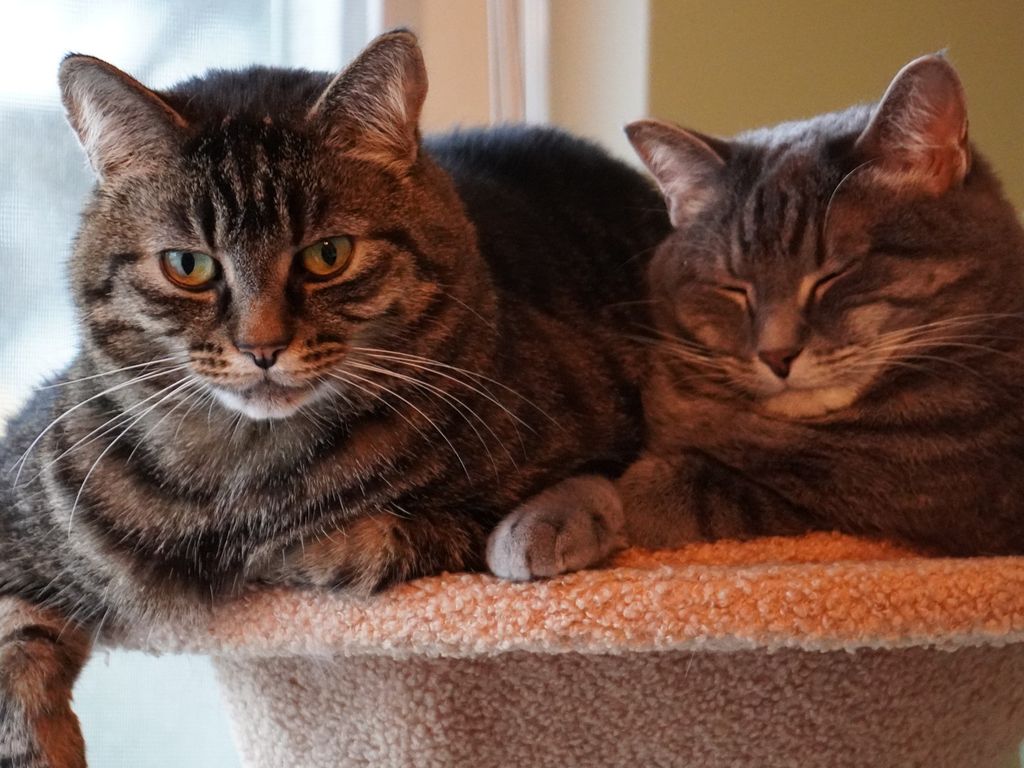
It can hear sounds too faint or too high in frequency for human ears, such as those made by small mammals. It secretes and perceives pheromones. Female domestic cats can have kittens from spring to late autumn in temperate zones, with litter sizes often ranging from two to five kittens. Domestic cats are bred and shown at events as registered pedigreed cats, a hobby known as cat fancy. Animal population control of cats may be achieved by spaying and neutering, but their proliferation and the abandonment of pets has resulted in large numbers of feral cats worldwide.
Aenean efficitur ipsum eu purus mollis, ac eleifend lacus suscipit. Pellentesque habitant morbi tristique senectus et netus et malesuada fames ac turpis egestas. Mauris ac dui id dolor finibus pharetra. Fusce quis lacinia mi. Nulla in dapibus lectus. Praesent tincidunt facilisis ipsum, eget accumsan velit. Donec at lobortis nibh, et faucibus odio. Mauris non lacus sed sapien viverra dictum. Pellentesque facilisis venenatis lectus, eget rutrum nibh aliquet sit amet.
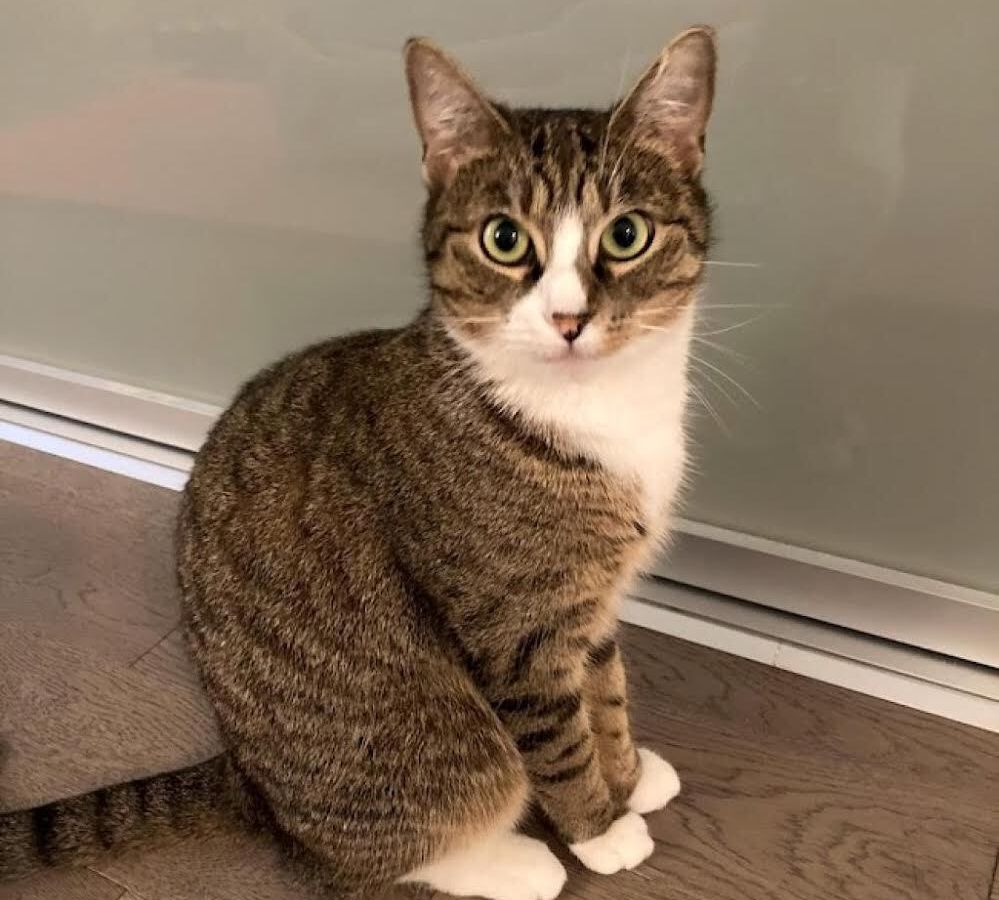
It was long thought that cat domestication began in ancient Egypt, where cats were venerated from around 3100 BC. As of 2021, there are an estimated 220 million owned and 480 million stray cats in the world. Cats have been used in religious contexts in many cultures, sometimes as symbols of divinity, fertility, prosperity, and protection. In Egyptian mythology, the goddess Bastet was depicted with the head of a cat. In Norse mythology, the goddess Freyja's chariot was drawn by cats. In Japan, the maneki-neko is a beckoning cat that is supposed to bring good fortune.
Vivamus quis dictum nisl. Etiam fringilla volutpat libero, nec congue ipsum auctor non. Nullam sed turpis nibh. Quisque congue luctus eros, eget convallis erat ultrices vitae. Phasellus rutrum, nisi eu hendrerit suscipit, sapien neque pretium leo, eget ullamcorper lacus arcu vel velit. Praesent sollicitudin sapien at odio fringilla, eget fringilla lectus eleifend. Mauris in nulla in nulla feugiat hendrerit. Praesent ac efficitur tortor.
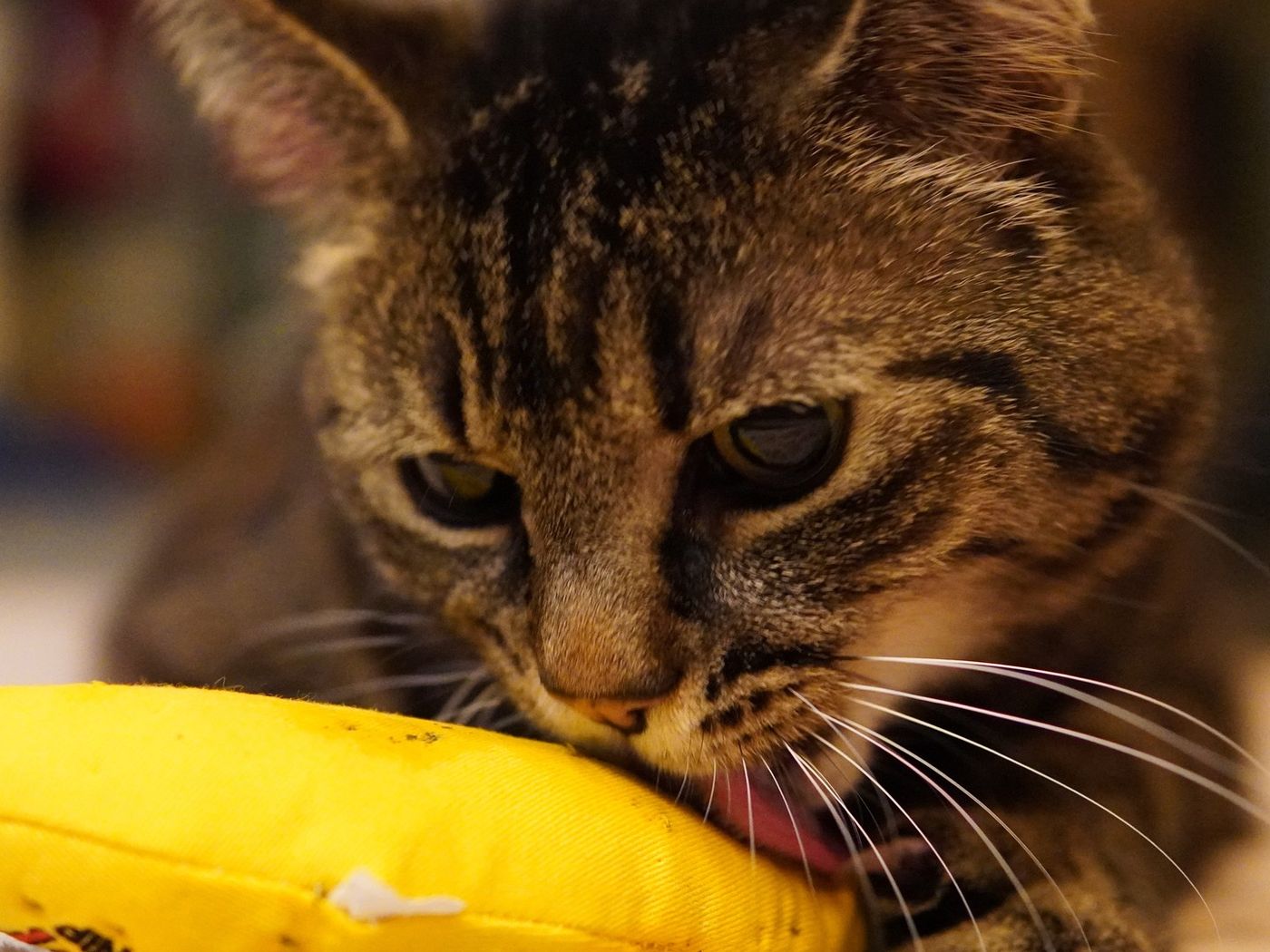
The domestic cat is an obligate carnivore, meaning that they require nutrients found only in animal products. While carbohydrates are not a necessary part of the cat's diet, they can be processed by the cat's digestive system. Cats need a relatively large amount of protein in their diet, and they require specific amino acids like taurine and arginine. Without these nutrients, cats can develop serious health problems.
Suspendisse vel justo lacinia, faucibus risus eu, tincidunt sapien. Curabitur consectetur metus eu nibh hendrerit, ut convallis erat tristique. Praesent ut neque non urna vehicula tristique. Aliquam erat volutpat. Vivamus pulvinar mi at sollicitudin viverra. Etiam ac vehicula augue. Nullam id risus a metus tincidunt iaculis vel ut massa. Mauris consectetur, augue at lobortis fermentum, eros odio porta velit, sit amet aliquam erat enim a est.
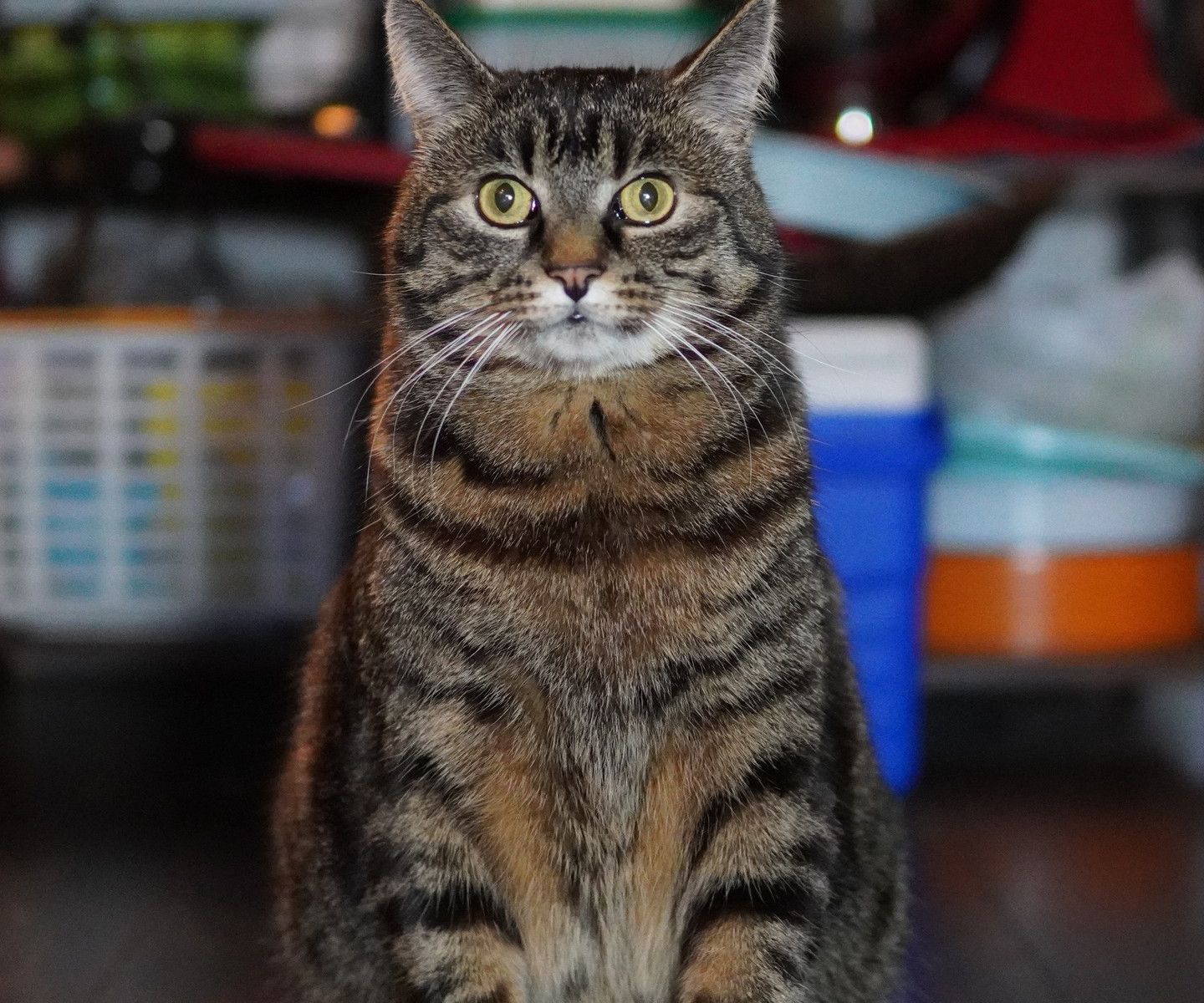
This page was served via chunkproxy at https://reg.soon.it:8443/cats.html. The HTML you are reading (after image embedding) totals well over 1 MiB. The path between you and this server has a roughly 16 KiB per-TCP-connection cap. The fact that you can see this paragraph, with all the cat photographs above intact, means the chunked delivery pipeline did its job.
Pellentesque habitant morbi tristique senectus et netus et malesuada fames ac turpis egestas. Vestibulum tortor quam, feugiat vitae, ultricies eget, tempor sit amet, ante. Donec eu libero sit amet quam egestas semper. Aenean ultricies mi vitae est. Mauris placerat eleifend leo. Quisque sit amet est et sapien ullamcorper pharetra.